Sensor Layer
Solar-powered wireless sensor nodes with swappable sensors for field, plant, lab and infrastructure environments.
SWARM connects modular sensor nodes, autonomous robots, plant disease detection, and intelligent AI agents to sense, analyze, predict, and act across real-world infrastructure.
SWARM is nanoFarm’s AI-agentic platform where modular IoT devices, autonomous robots, AI models, and dashboards work together as a coordinated intelligence layer.
SWARM by nanoFarm is a modular AI-IoT and robotics ecosystem designed to transform how real-world infrastructure is monitored and managed. Instead of isolated sensors and manual readings, SWARM creates a connected intelligence network where sensor nodes, robots, dashboards, and AI agents work together to detect problems, predict risks, recommend action, and eventually automate field-level responses.
Relevant concept visuals are integrated across SWARM, BioSWARM, AgriSWARM, SensorSWARM and RoboSWARM.
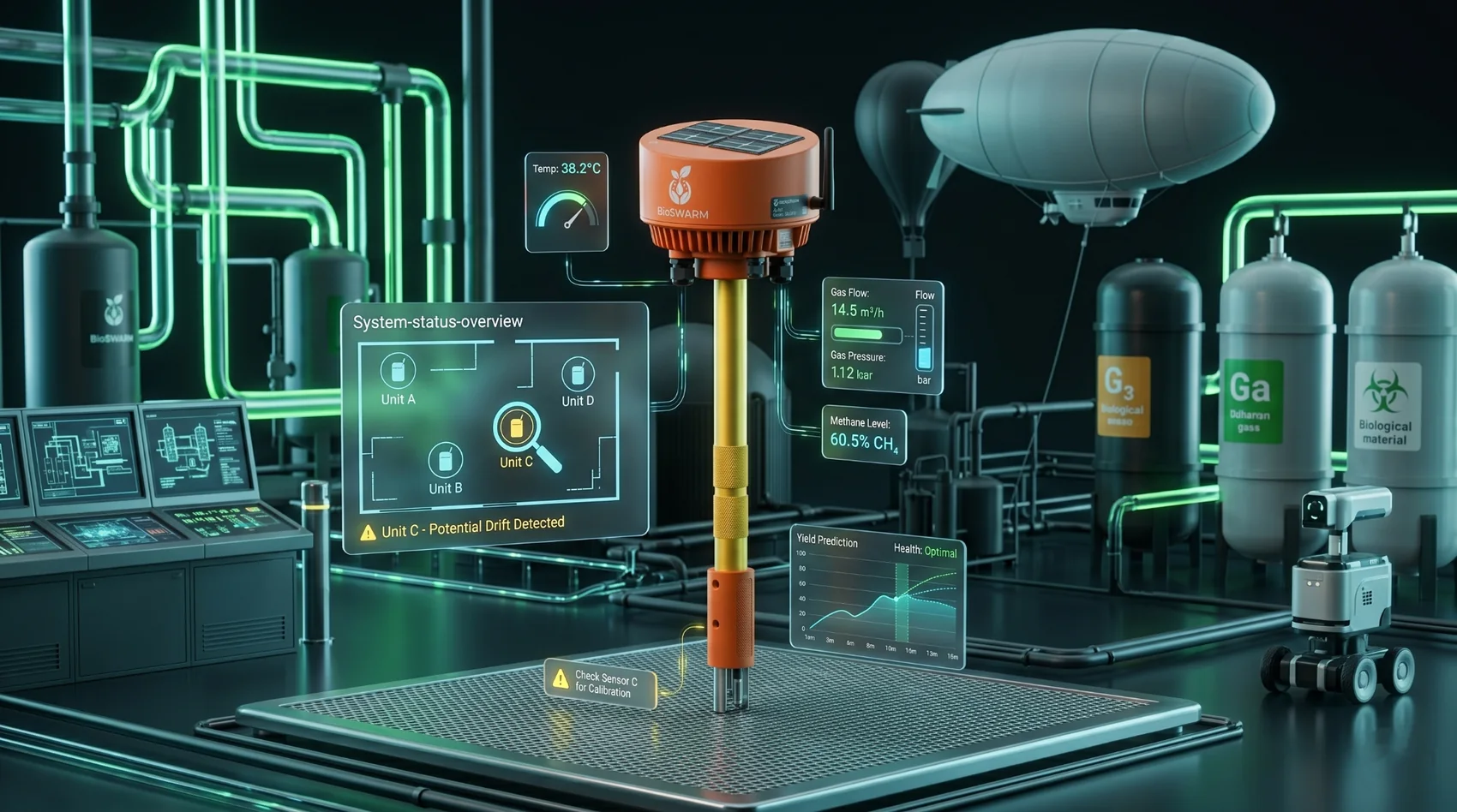
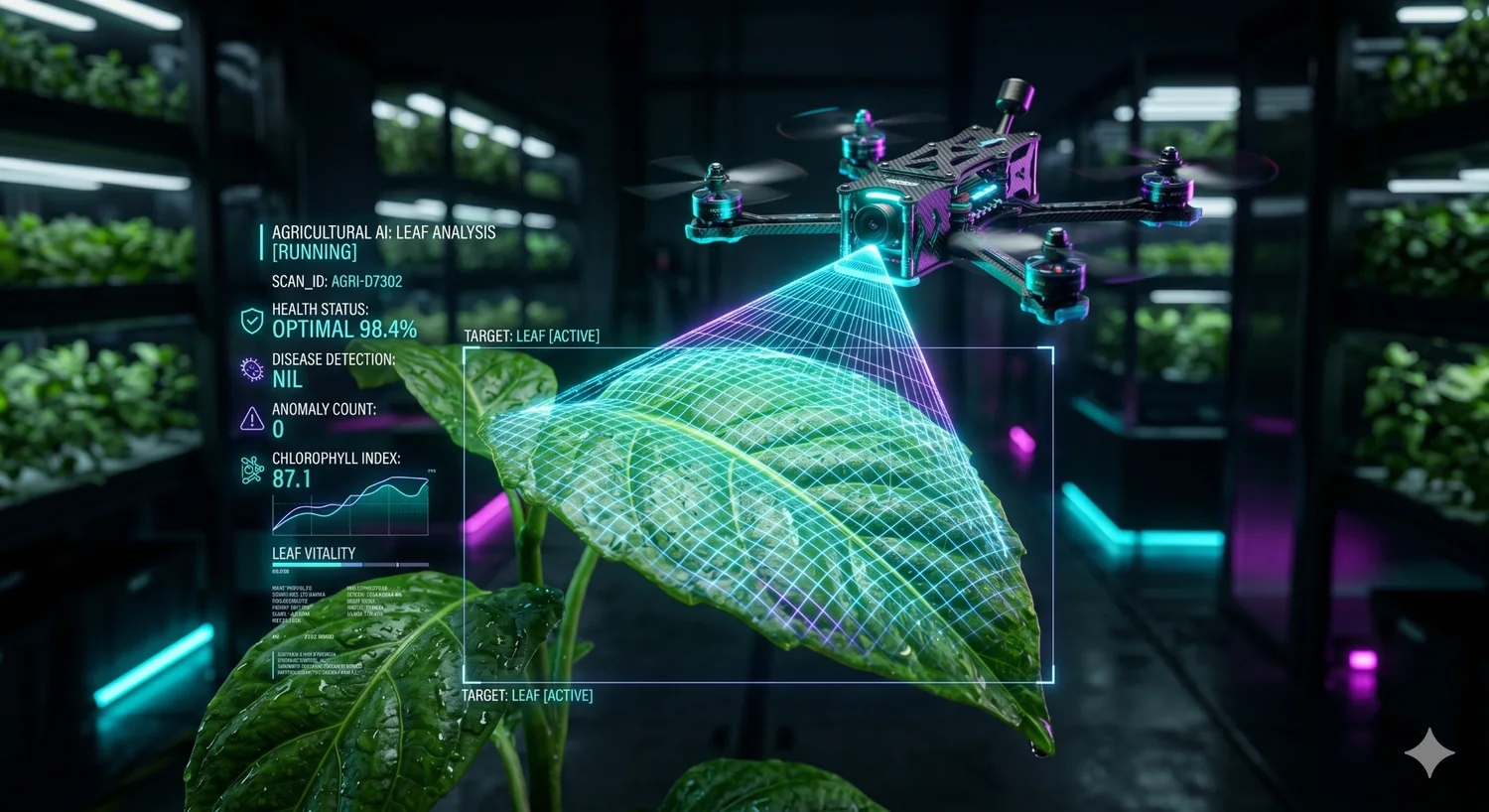
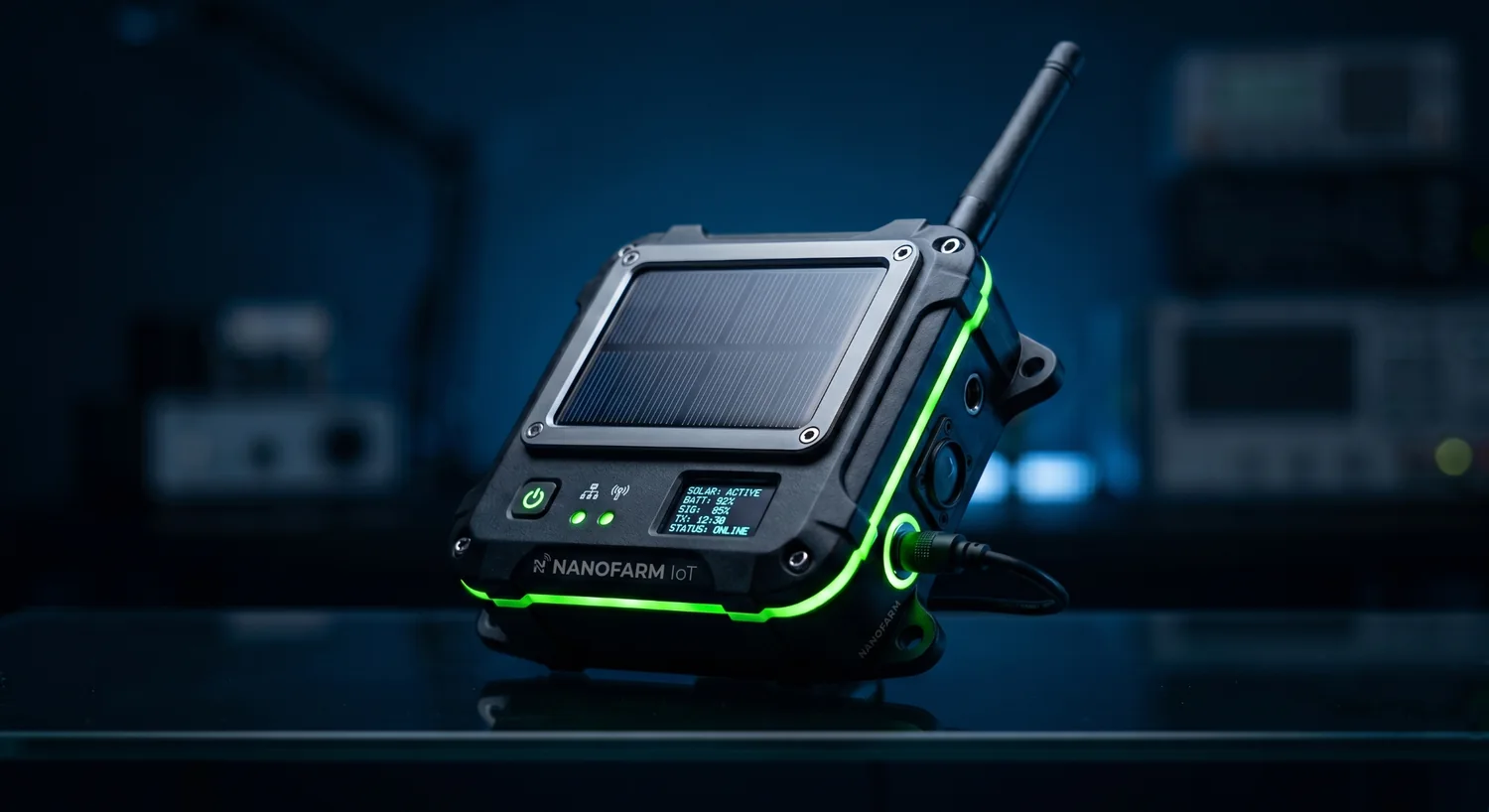
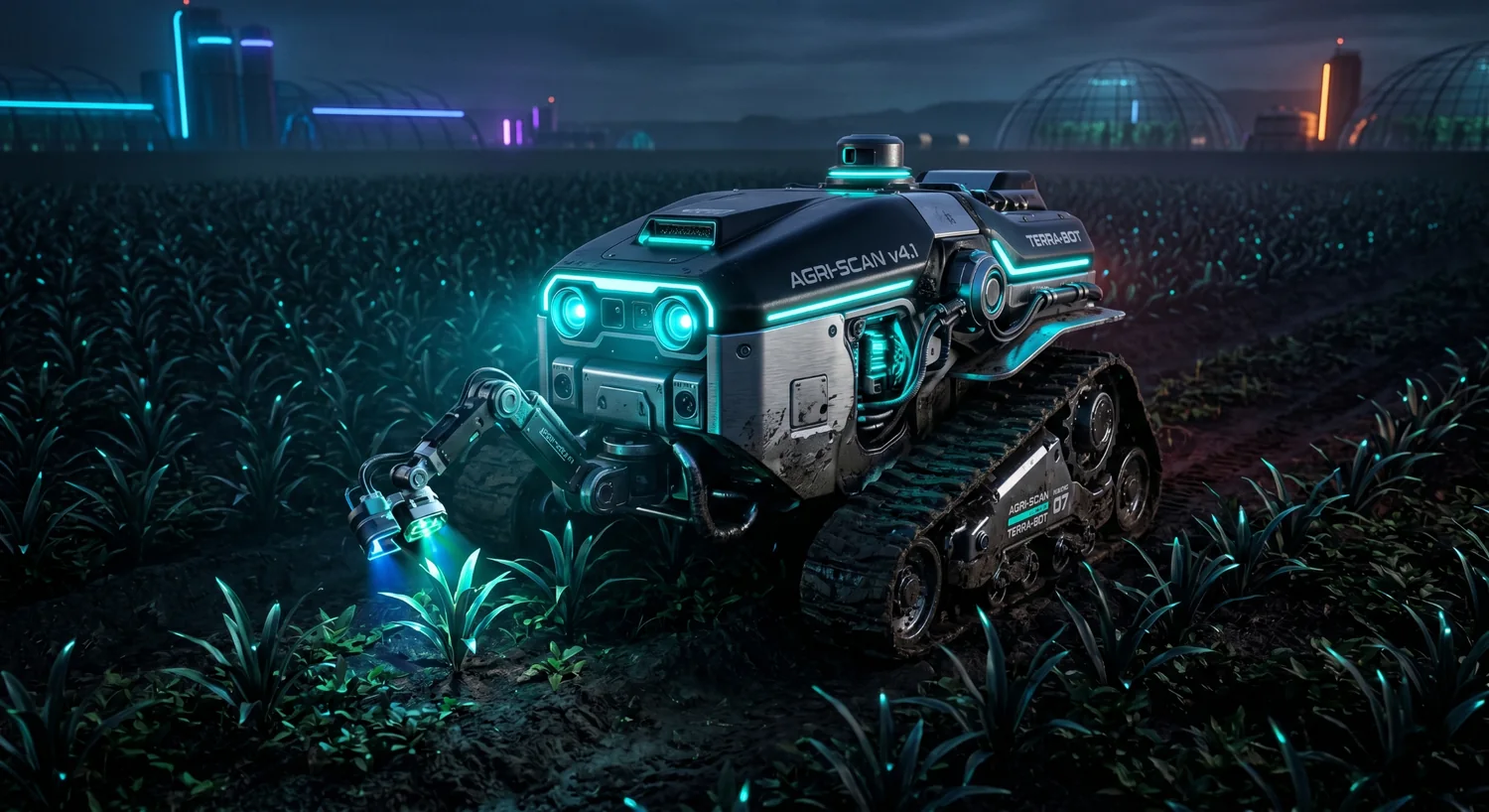
SWARM combines hardware, software, AI and robotics into one scalable architecture for decentralized infrastructure.
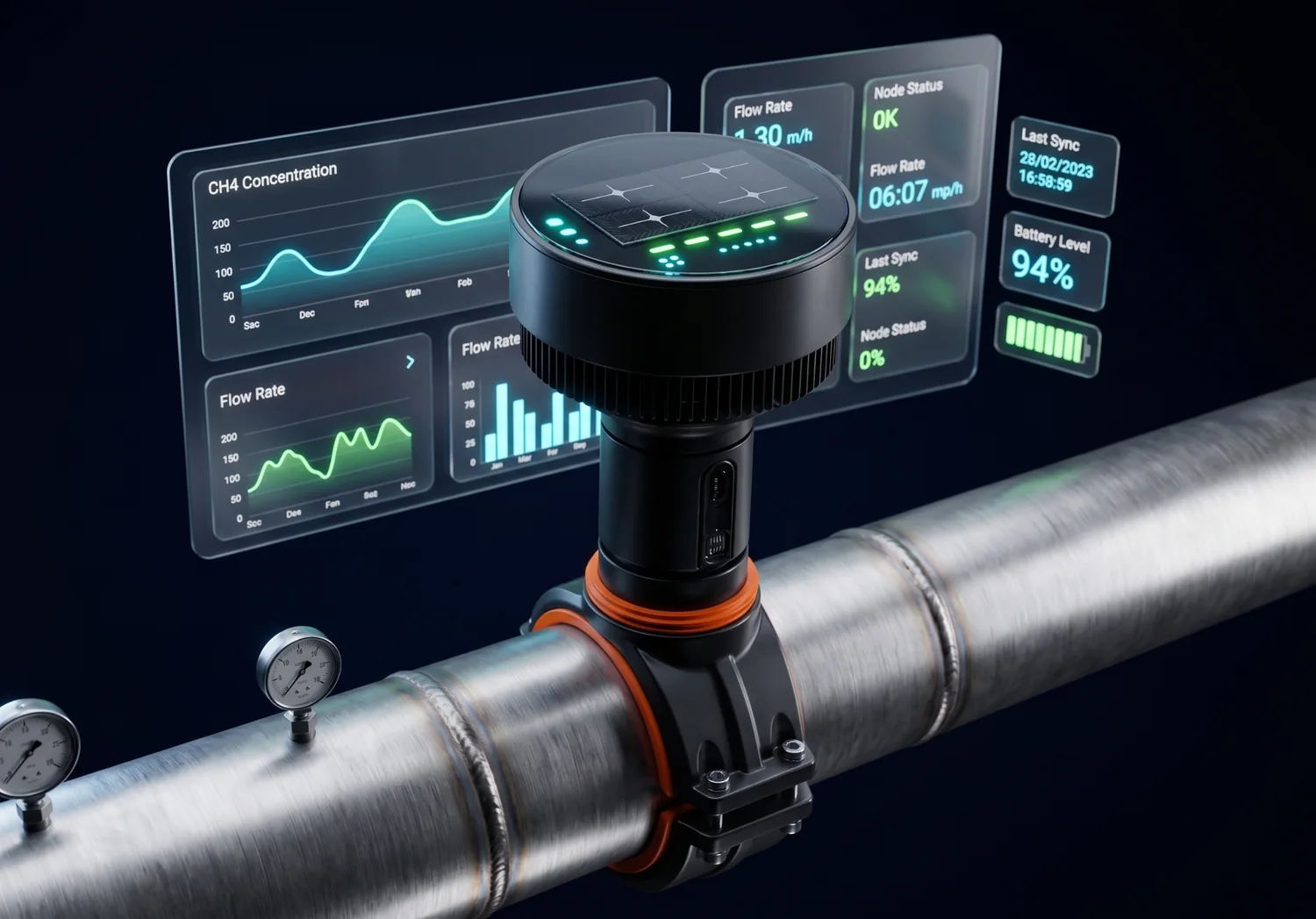
Solar-powered wireless sensor nodes with swappable sensors for field, plant, lab and infrastructure environments.
Autonomous task-specific robots for inspection, sampling, spraying, dosing, monitoring and field operations.
AI agents, predictive analytics, anomaly detection, decision support and automated report generation.
Biogas, CBG, STP, sanitation, agriculture, hydroponics, waste management and research systems.
Web dashboard, mobile interface, alerts, reports, operator insights and control-ready workflows.
Each module can operate independently, but the real power appears when they work together through the SWARM Intelligence Layer.
BioSWARM is the biogas and CBG plant health monitoring vertical of SWARM. It uses IoT sensors, dashboards, and AI analytics to monitor key biological and operational parameters, detect process instability, and alert operators before plant failure occurs.
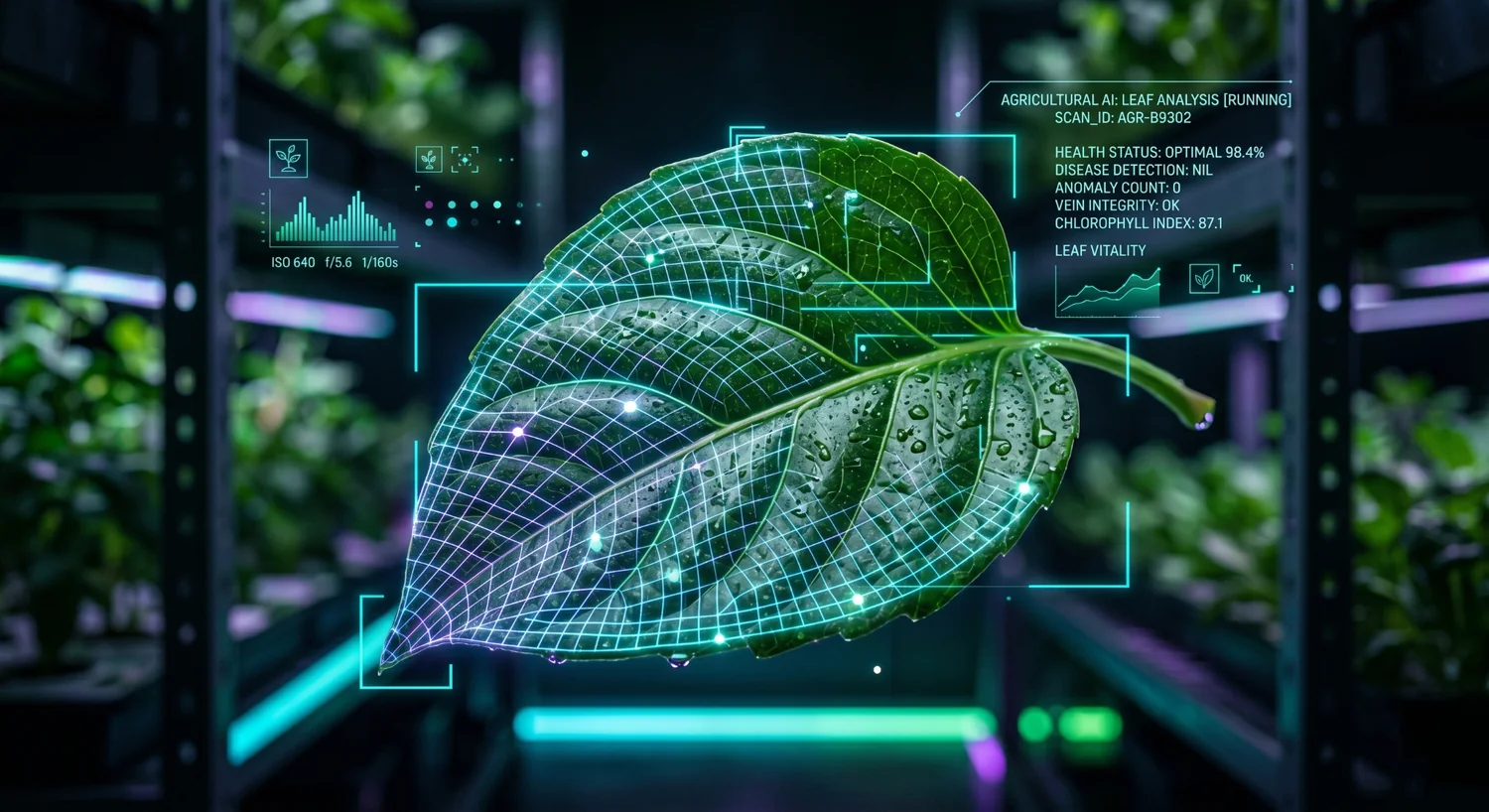
AgriSWARM brings plant disease detection and crop intelligence into the SWARM platform using AI vision, crop health analytics, sensor integration and advisory intelligence.
SensorSWARM is the modular hardware layer of SWARM: wireless, solar-powered, swappable sensor modules deployable as standalone nodes or as part of a larger intelligent network.
RoboSWARM expands SWARM from monitoring to physical action with autonomous robots designed for specific tasks in agriculture, sanitation, biogas plants, waste handling and inspection.
This is the AI-agentic brain of the complete ecosystem. It allows multiple sensors, robots, dashboards and AI models to work together — observing, comparing, predicting, recommending and preparing the path for automated corrective workflows.

SWARM is designed to scale across biological, environmental, agricultural and sanitation infrastructure.
Continuous biological process health monitoring and early warning insights.
Operational intelligence for gas generation, process health and plant stability.
Monitoring support for wastewater and sanitation treatment infrastructure.
Smart decentralized monitoring for community and institutional systems.
Data-backed operations for composting, biomethanation and waste treatment.
Crop intelligence, disease detection and sensor-based advisory workflows.
Environmental and crop parameter tracking for controlled production systems.
Modular sensing and dashboards for experiments, prototypes and pilots.
Remote monitoring, predictive alerts and scalable intelligence for distributed assets.
SWARM replaces disconnected manual readings with real-time, modular and agentic decision support.
nanoFarm has already started with real IoT and robotics development, and SWARM is the platform vision that unifies the roadmap.
nanoFarm has already developed IoT-based biogas plant health monitoring with pH and temperature sensing.
The system uses web-based and email-based alerts with mobile-friendly dashboard access.
A demo autonomous robotic model has already been built for future RoboSWARM development.
The next phase expands into multi-sensor swarm systems, solar-powered standalone modules, AI analytics, plant disease detection and robotics integration.
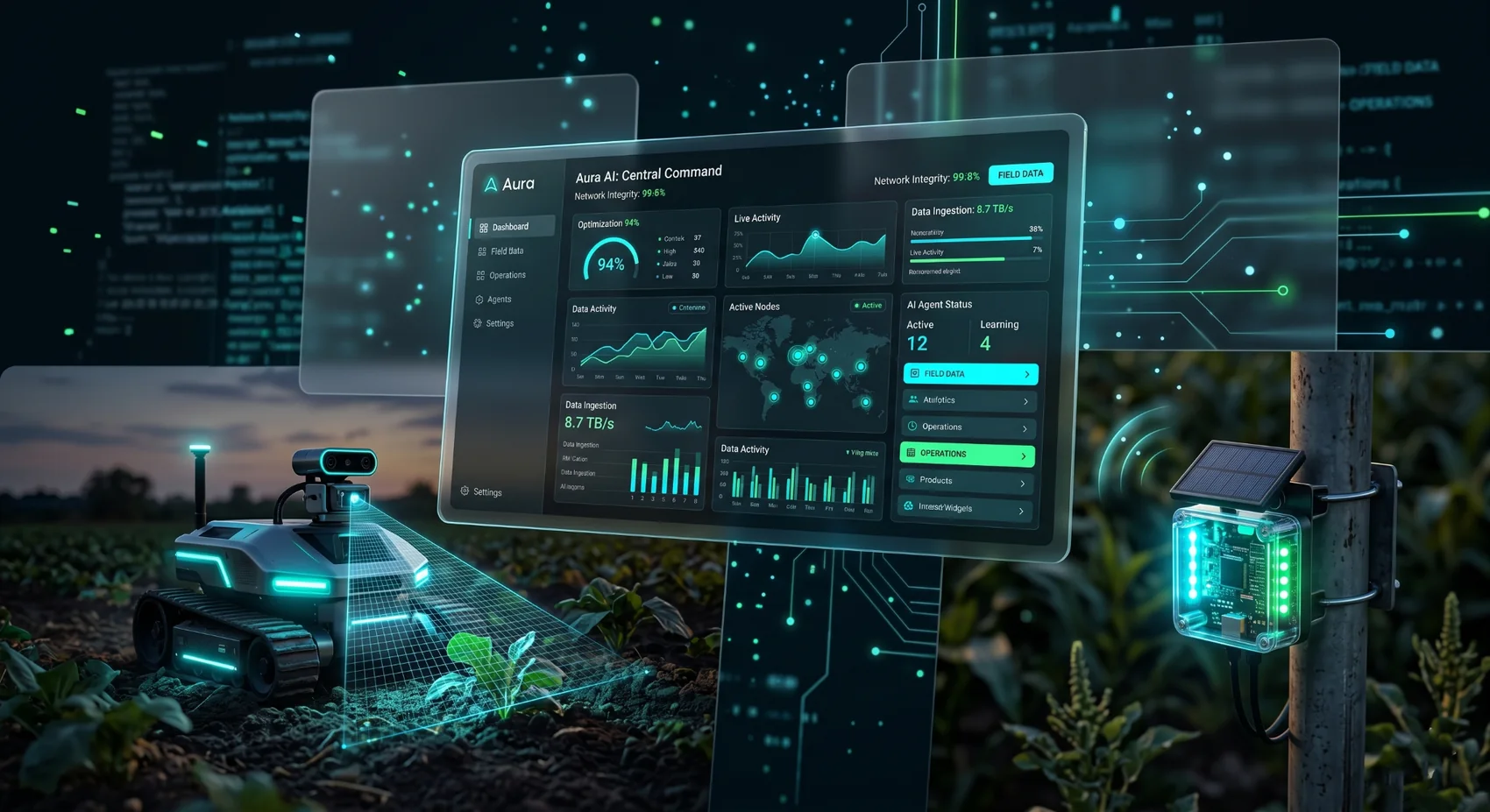
Operators get a modern dashboard with real-time values, trend graphs, alerts and AI-generated insights.
Sample metrics for visual demonstration
SWARM uses AI agents to observe sensor data, compare trends, detect anomalies, predict risks, recommend operator actions, generate reports, and coordinate future robotic tasks.
Interested in SWARM, BioSWARM, AgriSWARM, SensorSWARM or RoboSWARM? Connect with nanoFarm for pilots, demos, partnerships and deployment discussions.
India